How Healthcare Architects are Quietly Redefining Patient Care?
Healthcare architecture isn’t just about designing buildings — it’s about shaping outcomes. Studies show that patient recovery times improve by up to 30% in thoughtfully designed environments. This makes architectural design a central component of healthcare excellence. Dalpos Architects and Integrators understand this critical connection. With decades of experience in commercial, institutional, and community-centered architecture, the firm applies its multidisciplinary strengths to create healthcare facilities that prioritize wellness, functionality, and long-term adaptability.
Table of Contents:
- What Are Healthcare Architects and What Do They Do?
- The Importance of Healthcare Architecture in Modern Medical Settings
- How Dalpos Architects Approach Healthcare Projects
- Key Design Elements That Enhance Healing Environments
- Trends Shaping Healthcare Architecture in 2025 and Beyond
- Why Dalpos Is the Go-To Firm for Healthcare Facility Design
- A Healthier Tomorrow Begins with Smarter Design
What are Healthcare Architects and What Do They Do?
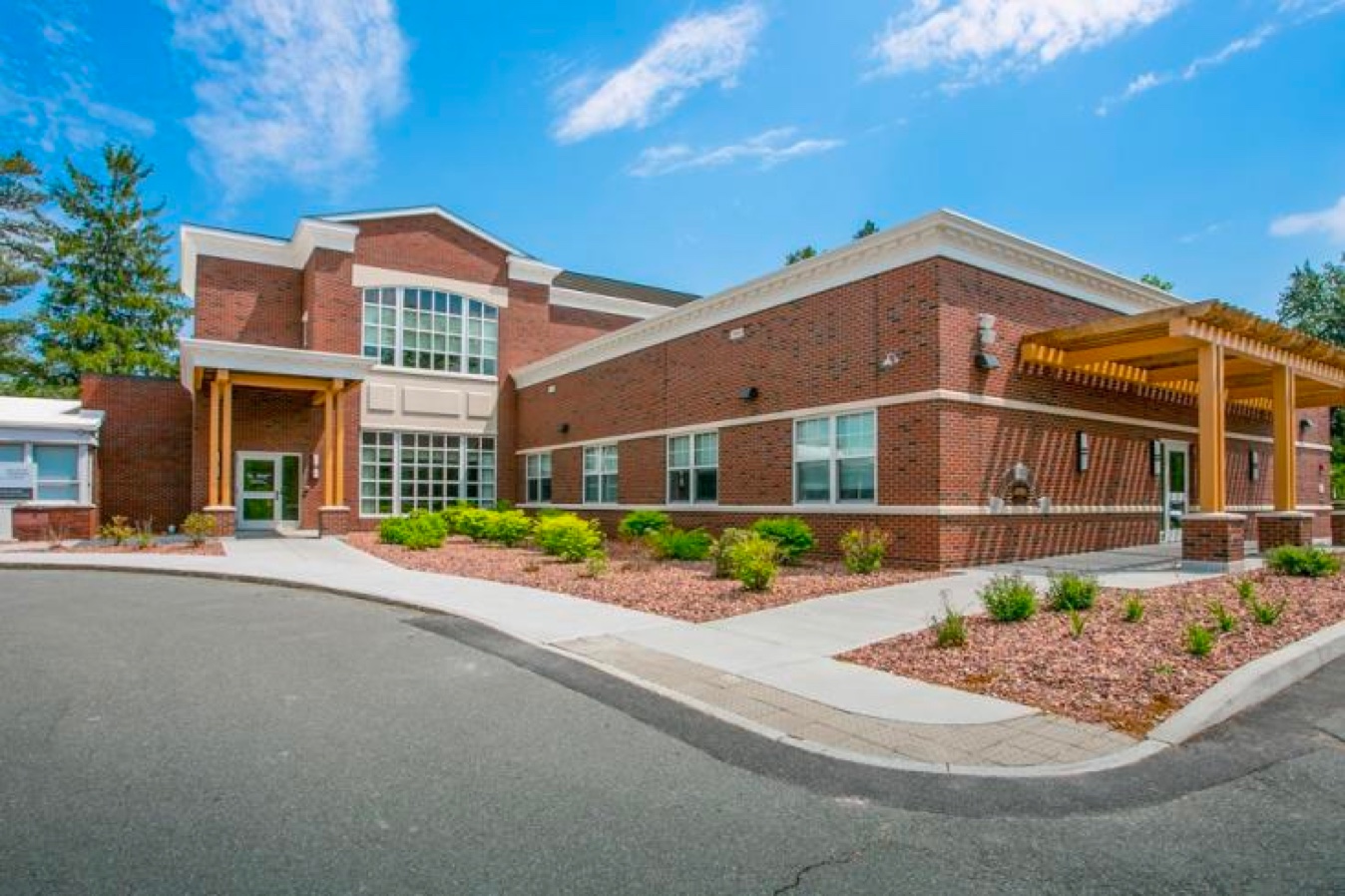
Healthcare architects specialize in the design and planning of spaces like hospitals, urgent care centers, surgical clinics, rehab facilities, and medical offices. These professionals balance complex technical requirements — such as infection control, medical equipment integration, and patient flow — with user-centric design that fosters calm, privacy, and healing. The goal is always two-fold: to enhance operational efficiency while improving patient and staff experience.
The Importance of Healthcare Architecture in Modern Medical Settings
It’s a known fact that poor facility design can lead to increased medical errors, staff fatigue, and longer patient stays. Conversely, smart spatial planning and calming environments can reduce anxiety, improve communication, and support faster recovery. With the rise of telemedicine, outpatient care, and wellness-focused initiatives, architecture plays a vital role in how care is delivered.
A well-designed healthcare facility can:
|
Impact Area |
Benefit of Good Design |
|
Patient Wellbeing |
Reduced stress and faster recovery |
|
Staff Productivity |
Streamlined workflows and lower burnout |
|
Operational Costs |
Energy efficiency and modular flexibility |
|
Infection Control |
Cleaner, safer, and more resilient environments |
How Dalpos Architects Approach Healthcare Projects?
Dalpos Architects and Integrators operate at the intersection of design innovation and technical excellence. Their approach is deeply collaborative — engaging with healthcare administrators, clinicians, engineers, and community stakeholders from the earliest planning stages. Their integrative process ensures that every room, hallway, and public space serves a functional, emotional, and aesthetic purpose.
Key project phases include:
- Needs Assessment: Understanding current and future requirements
- Master Planning: Evaluating site, code, and budgetary constraints
- Design Development: User-centered layouts, lighting, material selections
- Technology Integration: Ensuring compatibility with healthcare tech
- Construction Documentation & Oversight
Key Design Elements That Enhance Healing Environments
Dalpos incorporates proven design features that actively support healing:
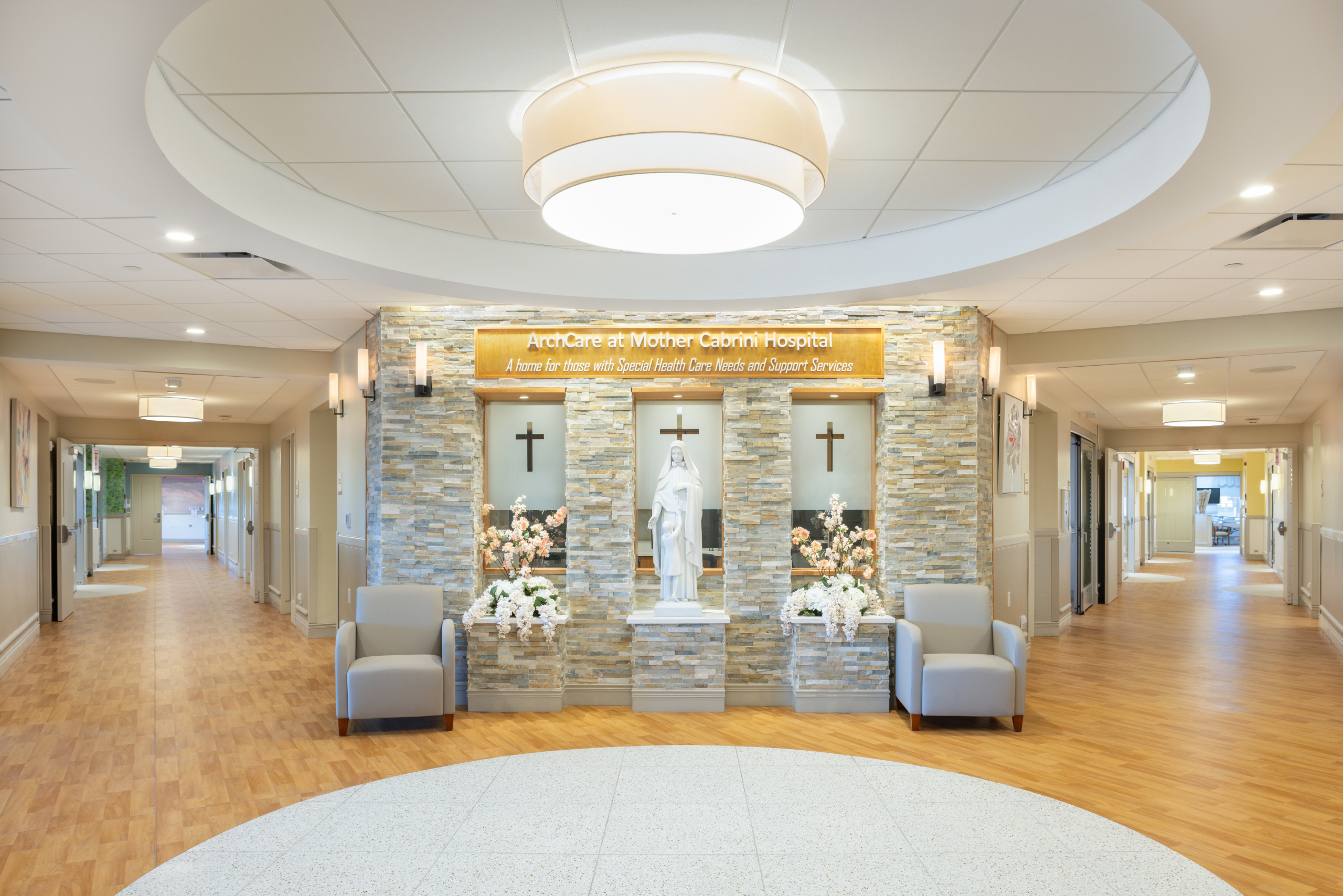
- Natural Light Access: Studies show daylight boosts mood and reduces pain medication needs
- Wayfinding Clarity: Intuitive layout helps reduce stress and improves navigation
- Quiet Zones: Soundproofing enhances rest and recovery
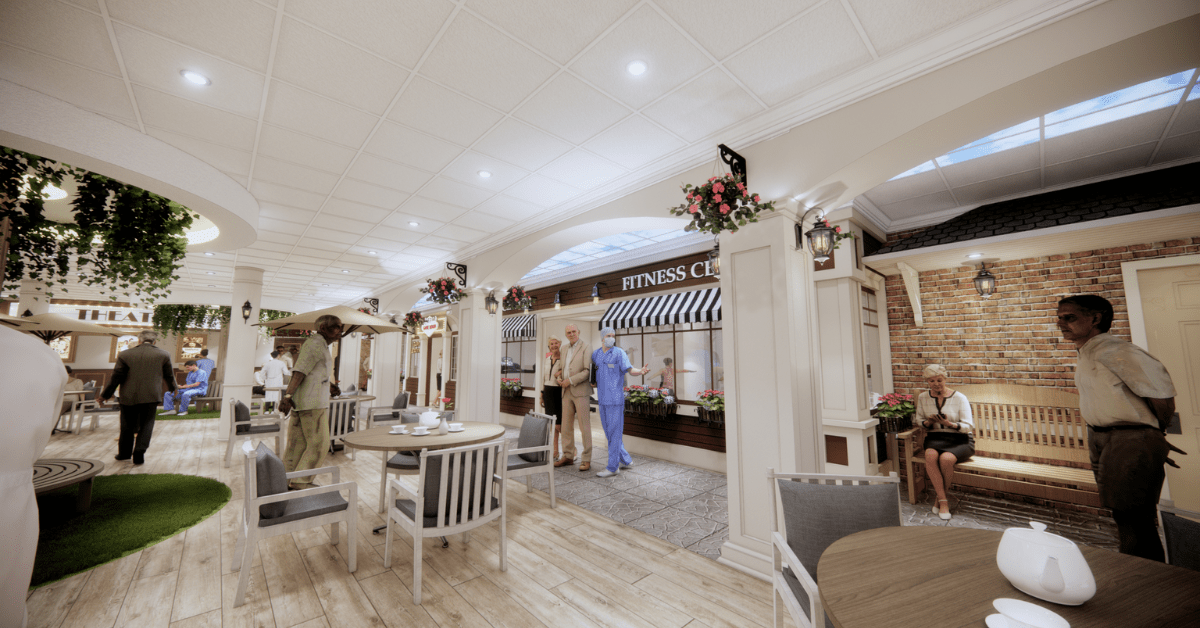
- Biophilic Design: Elements of nature—like plants, textures, and outdoor views—lower cortisol levels
- Flexible Infrastructure: Adapts to changes in medical technology and population needs
These design strategies are not just aesthetic decisions — they are healthcare tools in themselves.
Trends Shaping Healthcare Architecture in 2025 and Beyond
Dalpos remains at the forefront of emerging trends. Some key innovations include:
- Modular Construction: Faster build times and adaptable future use
- Sustainable Materials: Lower energy usage and improved air quality
- Telehealth-Ready Rooms: Designed with AV tech and patient privacy in mind
- Resilient Infrastructure: Planning for pandemics, natural disasters, and patient surges
- Community-Centered Design: Integrating wellness programs, mental health spaces, and inclusive services
The future of healthcare design isn’t just reactive — it’s proactive, predictive, and patient-centered.
Why Dalpos is the Go-To Firm for Healthcare Facility Design?
Dalpos Architects and Integrators stand out by blending technical know-how with a strong design philosophy rooted in human wellness. Their deep understanding of regulatory compliance, healthcare operations, and modern aesthetics makes them an invaluable partner in shaping better healthcare spaces.
Whether it’s a ground-up hospital or a phased renovation of a local clinic, Dalpos delivers environments that feel welcoming, operate efficiently, and remain future-proof for years to come.
A Healthier Tomorrow Begins with Smarter Design
Healthcare isn’t only about treatment — it’s about the environment in which treatment occurs. With every healthcare project, Dalpos Architects and Integrators prove that healthcare architecture can be a form of care. Their thoughtful, human-first design approach is transforming how patients heal, how doctors work, and how communities thrive.
So, ready to build a healthcare facility that makes a real difference?